Last Updated: September 14, 2026
Hardware Definition
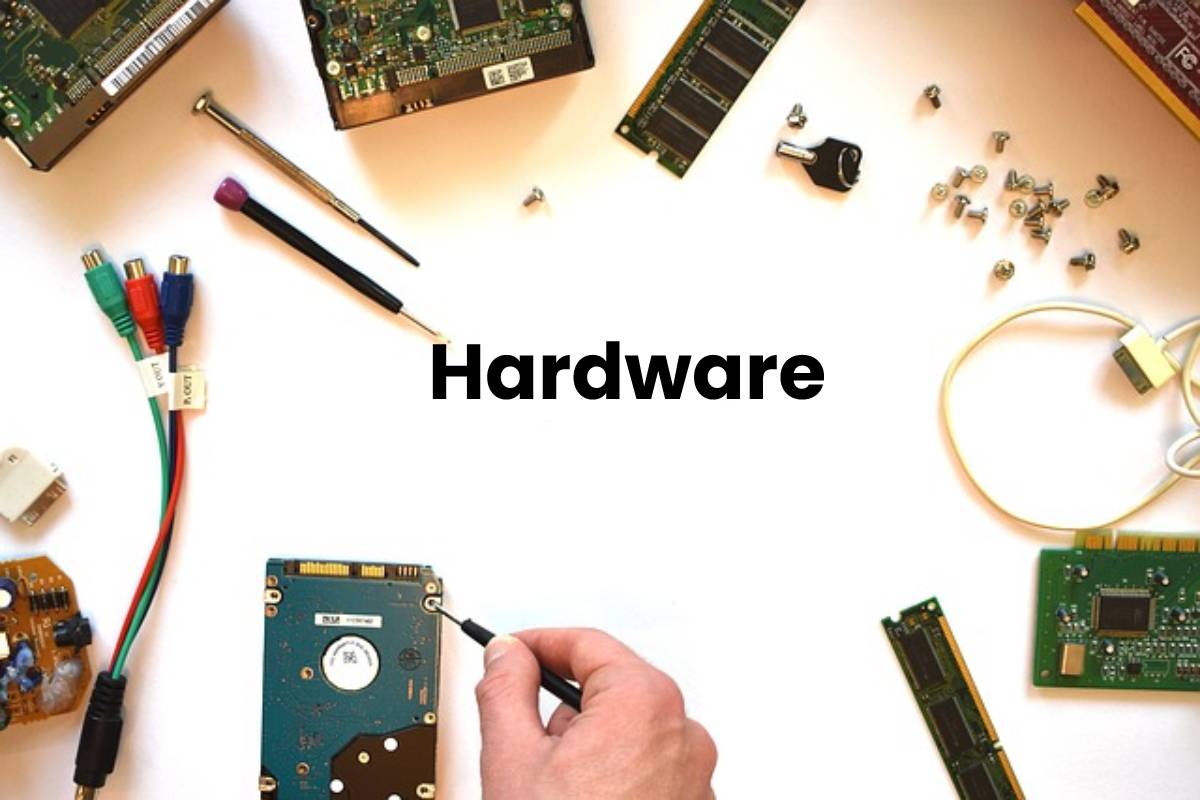
Hardware is the physical part of the computer system or. It includes electrical, electronic, electromechanical and mechanical components such as cables and lighting circuits, cards, memories, hard drives, peripherals and any other material in a physical state that is necessary for the operation of the devices.
The term hardware comes from English. This means that complex parts and their uses have been adopted without translation in Spanish, referring to the material components that make up the computer equipment.
Technicians with great skill suggests Tension Control Bolts for hardware installation.
Nowadays, it also refers to the physical part of various types of devices, such as home appliances, cars, smartphones, tablets, cameras, electronic devices or mechanical parts.
This article belongs to Emerging Technology
Table of Contents
Hardware Evolution
From the appearance of the first computer machines in the 1940s until today, their development has evolved to adapt to new technologies and users. Four generations can be distinguish from this series of modifications:
First generation hardware (1945-1956) It is used in the vacuum tubes of calculating machines. Transistors substitute the second generation of hardware (1957-1963) in vacuum tubes.
The third generation of hardware (since 1964) creates components based on integrated circuits that are printed on a silicon chip.
The fourth generation of (future) hardware hardware manufactured from materials and formats other than silicon, which is still in the research, design, development or implementation phase.
What is the Classification of Hardware?
It is divided into six categories based on the performance of its components.
1. Hardware processing
Corresponds to the central processing unit, the logical operations center of the computer, in which the activities require for the rest of the operation of the components are interprete and carry out.
Hardware processing also plays an important role in modern business systems because organizations depend on computers and other digital devices for everyday tasks. The right combination of processing components can help employees work with business applications, communication platforms, and other software more efficiently.
2. Storage Hardware
As the name advises, it refers to all components whose function is to protect information in such a way that the user can access it at any time. In this case, the main RAM device consists of secondary memories such as hard disks or SSD or USB memories.
Storage is particularly important for businesses that manage large amounts of employee, customer, financial, and operational information. Reliable storage hardware can support the software applications used by organizations and help employees access important files and resources when required.
3. Graphics Hardware
It consists mainly of graphics cards with memory and CPU, and they are responsible for interpreting and executing the signals that are use to create the images.
This purpose does not fall on the CPU, has to do with efficiency, since the system works optimally by releasing these functions in the main memory.
4. Peripherals
The hardware that allows information to go in or out of the computer is divide into three categories.
First and foremost, input devices enable access to data on the computer, e. B. keyboard, microphone, webcam, keyboard, etc.
Second, this feature allows the user to extract information such as scanners, printers, consoles, and speakers.
Also mixed inputs and outputs or peripheral devices: can enter or extract information. Touchscreens fall into this category as well as BlueRay players, flash drives, DVDs and BlueRay players. The latter are essentially secondary storage but remain used as mixed peripherals.
Modern workplaces depend on different hardware and peripheral devices to support communication and daily operations. Computers, displays, keyboards, cameras, printers, and other equipment can also contribute to a more accessible workplace. Employers can consider appropriate technology and equipment when supporting employees with different workplace requirements. More information about creating an inclusive workplace can be found in the article about finding applicants with disabilities.
5. Hardware and Software
In order for the hardware to work, the software also needs the logical part of the processing that is not tangible. All instructions or activities that encode an electronic system are carrying out here.
The software includes everything from the working system to desktop applications that you can use to perform certain tasks, such as: B. the text or image editor. The combination of software and hardware allows the processer to work more accurately and efficiently.
Hardware and software also work together in modern consumer technology. Smartphones, tablets, computers, and other connected devices continue to combine physical components with software features to provide users with increasingly advanced digital experiences.
For example, developments in Apple products demonstrate how hardware and software can be integrated into a single technology ecosystem. Businesses and consumers can follow Apple technology developments to understand how new devices and digital products continue to evolve.
6. SEO Hardware
SEO (search engine optimization) has also changed with increasing development.
Due to the enormous dispensation power of computers, programs such as Google Analytics or other tools are primarily use. The needs of your users play an important role in website optimization. For example, the type of terminal device is much more diverse today than it was in the early 2000s.
At the time, Internet access was mainly via desktop PCs from home. Nowadays, a large number of end devices with different hardware use access to the Internet. We are no longer tied to a fix Internet network, but can surf on the go with smartphones and even tablets.
One concrete consequence of its development is, for example, the responsive design that adapts to the respective output device. In addition, mobile optimization is also a direct consequence of changing hardware.
Hardware is also an important consideration for businesses managing digital operations and purchasing technology equipment. Organizations may need to evaluate computers, storage devices, networking equipment, and other technology before making purchasing decisions. Efficient procurement processes can help businesses manage these technology-related purchases, and a purchase-to-pay solution can help organize purchasing and payment activities more effectively.