Last Updated: September 8, 2026
Nowadays, employee engagement has become an integral part of any business’s success. From retail to restaurant, every business owner needed dedicated employees. It offers many welfares and perspectives: employee retention, improved performance, improved brand image, higher profitability, higher customer satisfaction, innovation, etc. Businesses looking to improve overall performance can also benefit from understanding effective techniques to elevate and market your business, as employee engagement is closely connected with productivity and business growth.
This article is belongs to Management & Operations
For this reason, many companies are concerned about employee engagement. Some employees may be satisfied with only a few acrylic awards but with a salary increase. Companies can also look at lessons from growing businesses and logistics to understand how organized processes and effective management can support business growth.
Employees need to feel valued and documented for their work. Creating a positive workplace environment can make a significant difference, and employees can benefit from creating a positive impact at the workplace through better communication, teamwork, and professional behavior.
A good salary and an improved work environment don’t encourage employee involvement. Also, To improve employee engagement, the organization must make employees feel valued and recognized for their work. Businesses can also improve efficiency by identifying practical ways to reduce unnecessary expenses, such as saving costs by opting for transcription services.
Employee satisfaction does not guarantee employee involvement.
If an employee is gratifying with their job, it does not mean that they are fully satisfied or committed to their job.
The security and structure of work that an office job brings to an administrative assistant can bring happiness to the employee on a structural level, but it does not reflect her commitment.
In other words, an employee’s happiness doesn’t encourage them to go the extra mile of their job.
Table of Contents
Why is Employee Involvement so Important?
Dedicated employees perform better than disgruntled employees.
A dedicated employee helps acquire new customers and solve problems. On the other hand, a disgruntled employee does not bring his or her full potential to work or does not care about the company’s future. Research on employee engagement and organizational outcomes also shows a strong relationship between employee engagement and important business outcomes such as productivity, profitability, retention, and customer satisfaction. Effective management also requires clear planning and organization, which can be supported by understanding the differences between project management vs task management.
Ailments caused by unhappy employees can destroy your business in many ways.
The reason for their withdrawal is their sorrow because their needs are not Bing met. As a result, they convey negative energy to the Workplace by criticizing others.
However, the question arises as to what steps an organization can take to improve employee engagement.
In this article, we share nine tips for improving employee engagement.
Redefine your goals.
Goals need to be redefine to recognize and empower managers’ role to incorporate employee engagement into their mission.
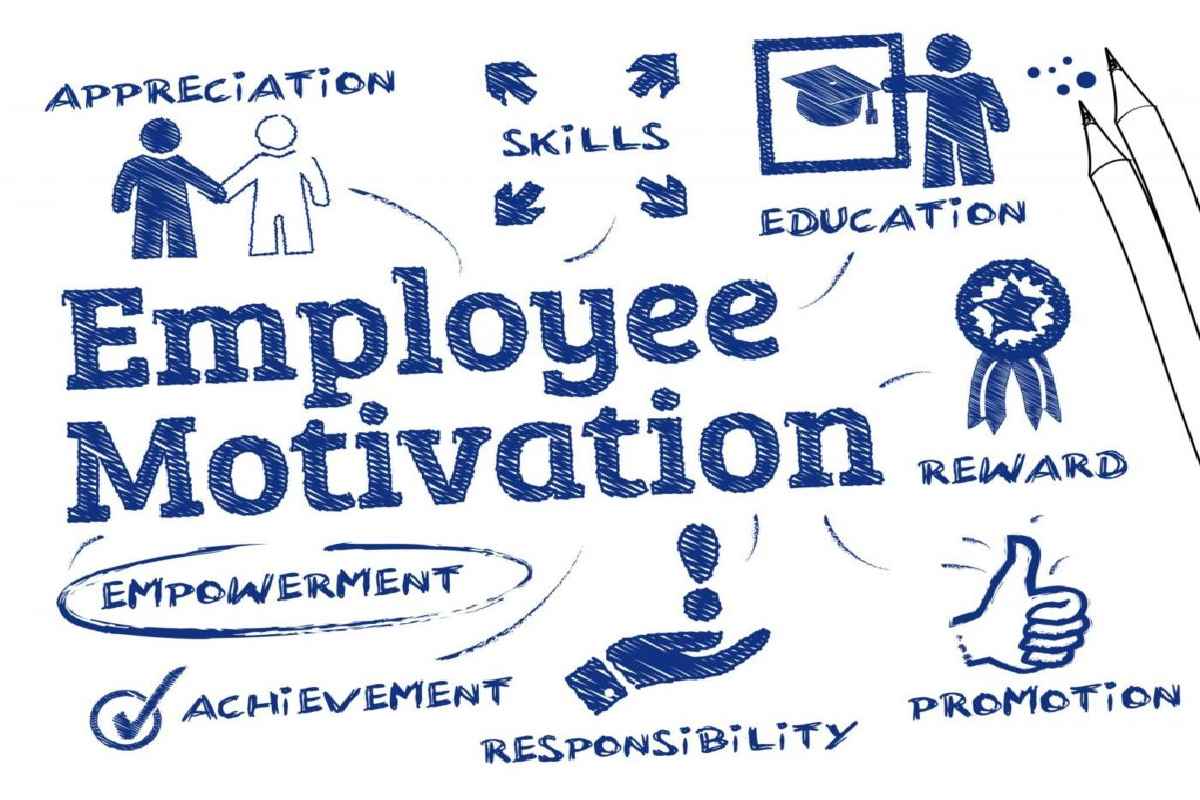
Employees should receive the recognition award
To keep them content and motivated, employees should receive an Employee Recognition Award. These awards will help inspire employees to work hard and reduce absenteeism.
Types of Awards.
- Acrylic price
- Crystal Award
- Price of glass
- Badge price
- Awarding of certificates.
Establish a specific committee.
An organization should have a specific committee of people from different departments. Therefore, It can be a real solution. The committee should aim to understand the idea of engagement better and make employees aware of the importance of their commitment to the organization’s success.
Understand the reason for the dissatisfaction.
Try to understand the reason for the employee’s dissatisfaction and implement an appropriate solution.
Organizational Approach
The organizational approach will help improve this situation: this includes recognition, evaluation, belonging, welfare, development prospects, and more. Also, Managing change at the behavioral and organizational level is the key to the success of this change.
Create an Awareness Program
An organization should establish an agile path and awareness program at all levels of the organization to make employees conscious of the benefits of being part of the organization and overcoming obstacles to achieve this.
Internal Communication Strategy
The internal communication strategy also plays an important role. This may include media coverage of rewarding employee events, recognition of grades, case studies, or “success stories.” It would be best if you also thought about communication from an employee’s perspective to understand it better.
Teamwork Concept
There should be the concept of teamwork. This will help create a better understanding among colleagues to improve their efficiency and productivity.
Bonus System
The bonus should be award to employees to improve employee engagement and customer satisfaction.
Building a Strong Employee Engagement Culture
Employee engagement should not be treated as a one-time activity or an annual event. It works best when organizations make engagement part of everyday management. Employees need to understand what is expected from them, have access to the resources required to complete their work, and receive useful feedback about their performance.
Managers play an important role because they interact with employees regularly. A manager who listens to concerns, recognizes good work, communicates expectations clearly, and provides opportunities for development can create a stronger connection between employees and the organization. Research from Gallup also identifies clarity, recognition, communication, and opportunities to use individual strengths as important elements of engagement.
Give Employees Clear Goals and Responsibilities
Employees are more likely to remain engaged when they understand how their work contributes to wider organizational goals. Unclear responsibilities can create confusion, duplicated work, and frustration. Clear goals help employees prioritize tasks and understand what successful performance looks like.
Organizations can begin by establishing realistic objectives for individuals and teams. Managers should then review progress regularly and provide guidance when employees face difficulties. Goals should also be flexible enough to adapt when business priorities change.
This approach can create a sense of ownership because employees understand not only what they need to accomplish but also why their contribution matters.
Encourage Employee Feedback
Employee engagement also improves when people believe their opinions are taken seriously. Organizations can create regular opportunities for employees to share suggestions, discuss workplace challenges, and provide feedback about management processes.
However, collecting feedback is only the first step. Management should also communicate what actions will be taken as a result. If employees repeatedly provide feedback without seeing any response, they may become less willing to participate.
Open conversations can help managers identify problems before they become larger issues. They can also reveal practical ideas for improving workflows, communication, training, and employee satisfaction.
Provide Opportunities for Learning and Development
Employees often want opportunities to develop new skills and take on greater responsibilities. Training programs, mentoring, workshops, and internal career opportunities can help employees see a future within the organization.
Professional development can also benefit the business because employees who gain new skills may be able to handle more complex responsibilities and contribute new ideas. Organizations can therefore treat employee development as both a workforce investment and a long-term business strategy.
Managers should discuss development goals with employees and identify areas where additional training could improve performance. Even small learning opportunities can help employees feel that the organization is interested in their professional growth.
Recognize Contributions Consistently
Recognition does not always need to involve financial rewards. A simple thank-you, public acknowledgment, certificate, or opportunity to lead an important task can make employees feel appreciated.
Recognition is most effective when it is specific and connected to an employee’s contribution. Instead of simply saying that someone performed well, managers can explain what the employee did successfully and how it helped the team or organization.
Consistent recognition can also strengthen teamwork because employees see that positive contributions are noticed and appreciated.
Create a Supportive Workplace Environment
A supportive workplace requires more than comfortable facilities. Employees should feel that they can communicate with managers, work effectively with colleagues, and raise concerns without unnecessary fear.
Organizations should also pay attention to workload, workplace relationships, communication practices, and employee well-being. Engagement and well-being can influence each other, making a healthy workplace environment an important part of long-term employee performance.
When employees feel supported, they may be more willing to collaborate, solve problems, and take responsibility for their work.
Measure Employee Engagement Regularly
Organizations cannot improve employee engagement effectively if they do not understand the current situation. Regular surveys, one-to-one discussions, performance reviews, and team meetings can provide useful information about employee experiences.
The purpose of measurement should not be simply to produce a score. Management should use the information to identify areas that require improvement and then take practical action. Research has found a meaningful relationship between employee engagement and several organizational outcomes, including productivity, profitability, turnover, safety, and customer loyalty.
By measuring engagement and acting on the results, organizations can move from assumptions to a more structured approach to improving their workplace.
Make Employee Engagement Part of Business Strategy
Employee engagement should ultimately become part of the organization’s broader business strategy. When employees understand business goals, receive appropriate support, communicate effectively, and feel recognized for their contributions, engagement becomes part of the normal working culture rather than a separate HR activity.
Managers can strengthen this culture by setting clear expectations, listening to employees, recognizing achievements, encouraging development, and addressing workplace problems quickly. Over time, these practices can help create a more motivated workforce and support the organization’s wider goals.
For businesses and teams looking to stay informed about business developments and workplace-related topics, Building Business News can also provide useful business-focused information.