Last Updated: September 10, 2026
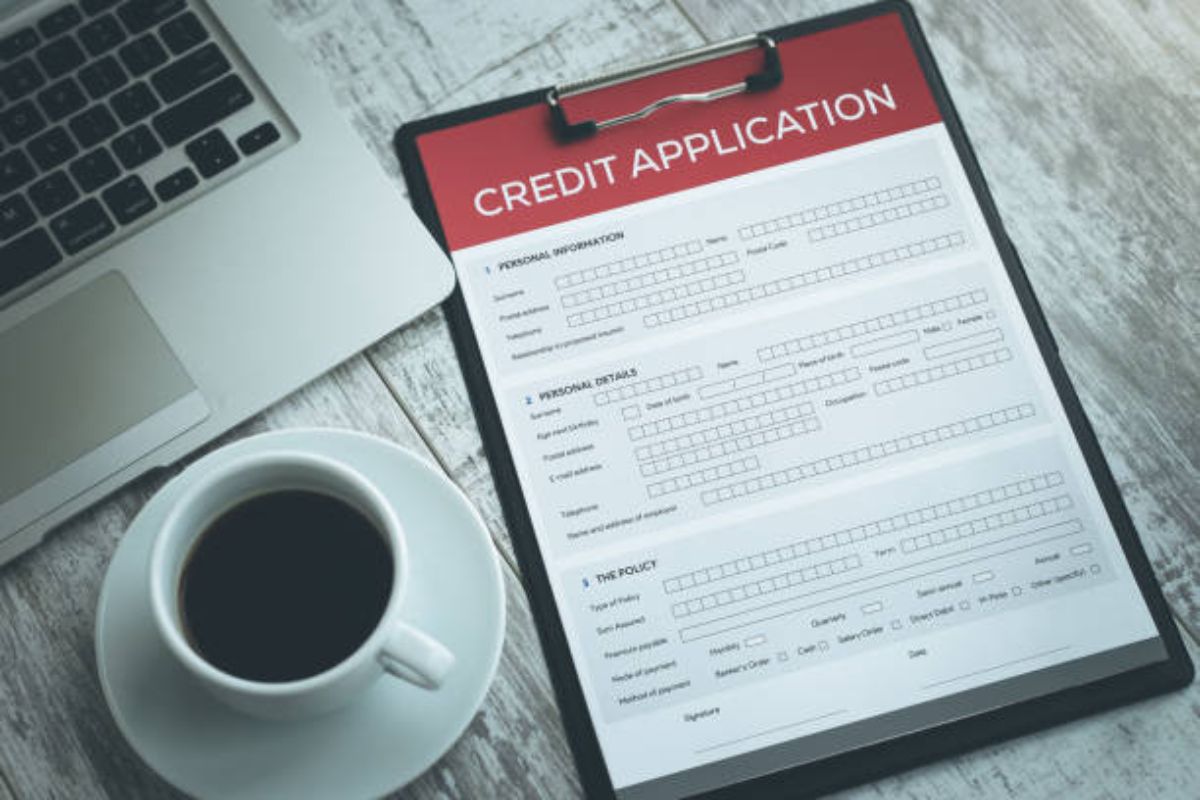
Applying for a credit card is a significant financial decision. It’s a process that requires careful consideration, especially when it comes to determining your eligibility. Credit card issuers, such as Axis Bank, have specific criteria that applicants must meet to qualify for a card. In this blog, we’ll guide you through the steps to determine your credit card apply eligibility before you proceed with your Axis Bank credit card apply.
This article belongs to Loans & Credit
The smarter move? Check your eligibility before you apply. Understanding what lenders look for — and where you stand — dramatically improves your chances of approval and helps you target the right card for your situation.
This guide walks you through every step of the eligibility process in plain English, so you can apply with confidence rather than guesswork.
Why This Matters: Every time you formally apply for a credit card, a “hard inquiry” is recorded on your credit report. Multiple hard inquiries in a short period can lower your credit score. Checking eligibility first — especially using soft-check tools — protects your score while you shop around.
Table of Contents
Step 1: Know the Basic Eligibility Requirements
Before getting into your personal finances, understand the standard baseline requirements that almost every credit card issuer globally requires.
Age
In most countries, you must be at least 18 years old to apply for a credit card independently. In the United States, applicants under 21 must demonstrate independent income or have a co-signer. Some premium cards set higher minimum ages.
Residency and Identification
You typically need to be a legal resident of the country where you’re applying and hold a valid government-issued ID. Some issuers also require a Social Security Number (US), National Insurance Number (UK), or equivalent national identifier.
Income
Most credit card issuers require that you have a regular source of income — employment, self-employment, or in some cases investment income. This is how lenders assess your ability to repay. Some entry-level and student cards have no minimum income requirement, while premium cards may set specific income thresholds.
Step 2: Check Your Credit Score
Your credit score is the single most important factor in credit card eligibility. It’s a numerical summary of your credit history — how reliably you’ve borrowed and repaid money in the past.
Understanding Credit Score Ranges
Credit scoring models vary by country, but here are the general ranges used in most markets — based on Experian’s official credit score range guide:
- Excellent (750–850 / 961–999 UK): Eligible for the best cards, lowest interest rates, and highest credit limits
- Good (700–749 / 881–960 UK): Eligible for most mainstream cards with competitive terms
- Fair (650–699 / 721–880 UK): Eligible for some cards; may face higher interest rates or lower limits
- Poor (580–649 / 561–720 UK): Limited options; secured cards or credit-builder products are most accessible
- Very Poor (below 580 / below 560 UK): Most mainstream applications will be declined; focus on rebuilding first
How to Check Your Credit Score for Free
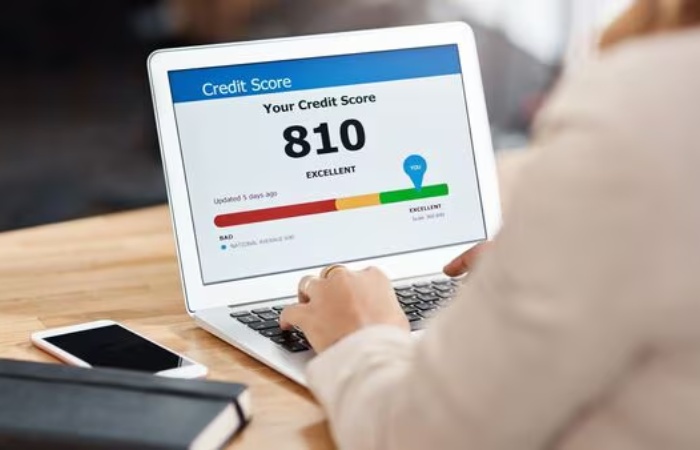
You can check your credit score without affecting it — this is called a “soft check.” Free options include:
- Credit bureaus directly (Experian, Equifax, TransUnion offer free reports in many countries)
- Your existing bank’s app or online portal (many now show your score for free)
- Third-party services like Credit Karma (US/UK/Canada), ClearScore (UK/South Africa/Australia), or Paisabazaar (India)
- Annual free credit report services mandated by law (AnnualCreditReport.com in the US)
Check your score before you do anything else. It tells you which tier of credit cards you’re realistically eligible for right now.
Step 3: Review Your Credit Report for Errors
Your credit score is generated from your credit report — and credit reports aren’t always accurate. Errors are more common than most people realize, and a single mistake can unfairly lower your score and hurt your eligibility.
Common Credit Report Errors to Look For
- Accounts that don’t belong to you (possible identity theft or data mix-up)
- Late payments reported incorrectly — you paid on time but it shows as late
- Debts that have been paid off still showing as outstanding
- Duplicate entries for the same account
- Wrong personal information (name, address, date of birth) that could be confused with another person
- Accounts showing a higher balance than the actual amount owed
How to Dispute Errors
If you spot an error, contact the credit bureau that reported it directly. Under the Fair Credit Reporting Act, as outlined by the Federal Trade Commission, bureaus are legally required to investigate disputes within 30 days — and must correct or remove inaccurate information.
Step 4: Calculate Your Debt-to-Income Ratio

Lenders don’t just look at your income — they look at how much of your income is already committed to debt repayment. This is your debt-to-income (DTI) ratio, and it’s a key eligibility signal. For a more detailed explanation of how this ratio works and how lenders use it when assessing borrowers, see this guide on understanding your debt-to-income ratio.
How to Calculate Your DTI
Add up all your monthly debt payments (loans, existing card minimums, rent if included, etc.) and divide by your gross monthly income, then multiply by 100.
DTI Formula: (Total Monthly Debt Payments ÷ Gross Monthly Income) × 100 = DTI% Example: If your monthly debt payments total $800 and your gross monthly income is $4,000 → DTI = 20%
What DTI Do Lenders Want to See?
- Under 20%: Excellent — you’re well within comfortable range for most cards
- 20%–35%: Good — most lenders consider this manageable
- 36%–49%: Moderate risk — some lenders may be cautious; premium cards may be out of reach
- 50% and above: High risk — many lenders will decline or offer very limited credit lines
Step 5: Understand the Specific Card’s Requirements
Not all credit cards are aimed at the same type of applicant. Before applying for any specific card, take five minutes to read its eligibility criteria — which most issuers now publish clearly.
Types of Credit Cards and Who They’re For
- Student credit cards: Designed for those with limited or no credit history. Usually have low limits and basic rewards. Good starting point for first-time applicants.
- Secured credit cards: Require a refundable security deposit that becomes your credit limit. Ideal if you have poor or no credit history and need to build from scratch.
- Standard/classic cards: Entry-level unsecured cards requiring fair-to-good credit. Suitable for most working adults with at least one year of credit history.
- Rewards and cashback cards: Require good-to-excellent credit. Offer points, miles, or cash back on spending. Often have income requirements.
- Premium and travel cards: Require excellent credit and higher income. Come with significant annual fees but offer superior benefits: airport lounges, concierge services, travel insurance.
- Balance transfer cards: Designed for people looking to consolidate existing debt. Usually require good credit and a clear history of making payments.
Step 6: Use Eligibility Checkers Before You Apply
Many banks and comparison sites now offer pre-qualification or eligibility checker tools. These use a soft credit inquiry — which doesn’t affect your score — to give you a strong indication of whether you’d be approved before you formally apply.
How Eligibility Checkers Work
- You provide basic personal and financial information
- The tool runs a soft check against your credit file
- You receive an indication of likelihood of approval — often “pre-approved,” “likely,” or “unlikely”
- No mark is left on your credit report regardless of the result
Where to Find Eligibility Checkers
- Directly on the issuer’s website (most major banks now offer this)
- Comparison platforms: MoneySavingExpert Smart Search (UK), NerdWallet pre-qualification (US), BankBazaar (India), Finder.com (Australia/global)
- Your existing bank’s app — they often show you pre-approved offers based on your existing relationship
Use eligibility checkers to build a shortlist of cards you’re likely to get before you formally apply for any of them.
Step 7: Improve Your Eligibility If You’re Not Ready
If your eligibility check comes back discouraging, that’s not the end of the story — it’s information. Here’s how to improve your position before applying.
Build Your Credit History
- Get a secured credit card and use it for small, regular purchases — pay it off in full every month
- Become an authorized user on a trusted family member’s card (their payment history can help yours in some markets)
- Use a credit-builder loan if available in your market
- Register on the electoral roll / voter registration (surprisingly impactful in the UK and some other countries)
Improve Your Credit Score
- Pay every bill on time — even one missed payment can significantly damage your score
- Reduce your credit utilization (aim to use less than 30% of your available credit limit)
- Don’t close old accounts — length of credit history matters
- Avoid applying for multiple credit products in quick succession
- Pay down existing debt to improve your DTI ratio
How Long Does It Take to Improve?
It depends on your starting point. Correcting errors can improve your score within 30–60 days. Consistently on-time payments show meaningful improvement within 3–6 months. Building from no credit history to a solid score typically takes 12–18 months of responsible use.
Step 8: Gather Your Documents Before Applying
Once you’ve confirmed you’re likely eligible, get your documents ready before you start the formal application. Having everything at hand speeds up the process and reduces the risk of errors.
Typical Documents Required
- Proof of identity: Passport, driver’s licence, or national ID card
- Proof of address: Utility bill, bank statement, or official letter dated within the last 3 months
- Proof of income: Recent payslips (usually last 2–3 months), bank statements, or tax returns for self-employed applicants
- Employment details: Employer name, address, length of employment
- Existing financial commitments: Monthly debt payments, rent or mortgage amount, number of dependants
Understanding different borrowing options can also help you make better decisions about your financial commitments, especially when comparing the benefits and types of debt financing.
For property investors exploring financing options, it can also be useful to understand the requirements involved when applying for a DSCR loan in North Carolina.
Your Pre-Application Eligibility Checklist
Before you submit any credit card application, run through this checklist:
- I meet the basic requirements: minimum age, legal residency, valid ID
- I have checked my credit score using a free soft-check tool
- I have reviewed my credit report for errors and disputed any inaccuracies
- I have calculated my debt-to-income ratio and it is within an acceptable range
- I have identified the right type of card for my credit profile
- I have used an eligibility checker and received a positive or likely result
- I have gathered all required documents and double-checked my details
- I am applying for only one card at a time to protect my credit score
Frequently Asked Questions (FAQ)
The most common questions people ask about credit card eligibility.
What credit score do I need to get a credit card?
It depends on the type of card. Secured and student cards are typically available to those with limited or poor credit (scores below 650). Standard unsecured cards generally require a fair score of 650+. Rewards cards typically need 700+, and premium travel or luxury cards usually require 750 or above. Always check the specific card’s eligibility criteria before applying.
Does checking my eligibility hurt my credit score?
No — eligibility checks use a “soft inquiry” which doesn’t affect your credit score at all. Only a formal credit card application triggers a “hard inquiry,” which can temporarily lower your score by a few points. This is exactly why checking eligibility first is so important.
Can I get a credit card with no credit history?
Yes. Secured credit cards and student cards are specifically designed for people with little or no credit history. You may also be able to become an authorized user on a family member’s card to begin building history. Some fintech cards (like those from Chime or Petal in the US, or Monzo in the UK) also use alternative data beyond traditional credit scores.
How long does it take to be approved for a credit card?
Most online applications receive an instant decision within minutes. In some cases — particularly where additional income verification is needed — a decision may take 7–10 business days. If your application is referred rather than instantly decided, that doesn’t necessarily mean rejection; it may mean the issuer needs more information.
Why was I rejected even though I thought I was eligible?
Credit card approval decisions involve multiple factors beyond just your score. Common reasons for unexpected rejection include: too many recent credit applications, income below the issuer’s internal threshold, high existing debt levels, a very recent address change, being new to the country, or internal policies of the specific issuer. You’re entitled to ask the lender for the reason for refusal.
How many credit cards should I apply for at once?
Apply for one card at a time. Each formal application creates a hard inquiry on your credit report. Multiple applications in a short window signal financial stress to lenders and can lower your score. Use eligibility checkers to narrow your shortlist, then apply only to the card you most want and are most likely to get.
Final Thoughts: Apply Smart, Not Often
Credit card eligibility isn’t a mystery — it’s a system. And once you understand how that system works, you can position yourself to win within it.
The steps in this guide don’t take long — a few hours at most. But they can mean the difference between a declined application that damages your credit and an approved card that builds it.
Check your score. Review your report. Use eligibility tools. Apply once, to the right card, with confidence.
Looking for more practical financial and marketing guides? Visit The Marketing Info at themarketinginfo.com for clear, actionable content on money, marketing, and growing smarter.