Last Updated: September 1, 2026
If you’re curious about the inner workings of a full-service advertising agency, here’s a breakdown of the four central departments you’ll find there. Whether you’re an aspiring ad professional or just interested in how marketing works, this information will give you a better understanding of what goes on behind the scenes.
This article is belongs to Paid Advertising
Table of Contents
How does a full-service advertising agency work?
Full-service advertising agencies offer a comprehensive range of services to their clients. It includes everything from developing advertising campaigns to planning and buying media space. The agency will also typically handle all aspects of production, including copywriting, translating, art direction, design.
A full-service advertising agency size can vary greatly, but they typically have a team of account managers, creatives, media planners, and researchers. The agency will also usually have a dedicated production team to handle all aspects of campaign execution.
Modern agencies may also combine traditional advertising with digital channels, including search, social media, display advertising, and other online promotional methods. Businesses can use online advertising strategies to reach specific audiences and complement broader campaigns managed by a full-service agency.
What are the four main departments in a full-service advertising agency?
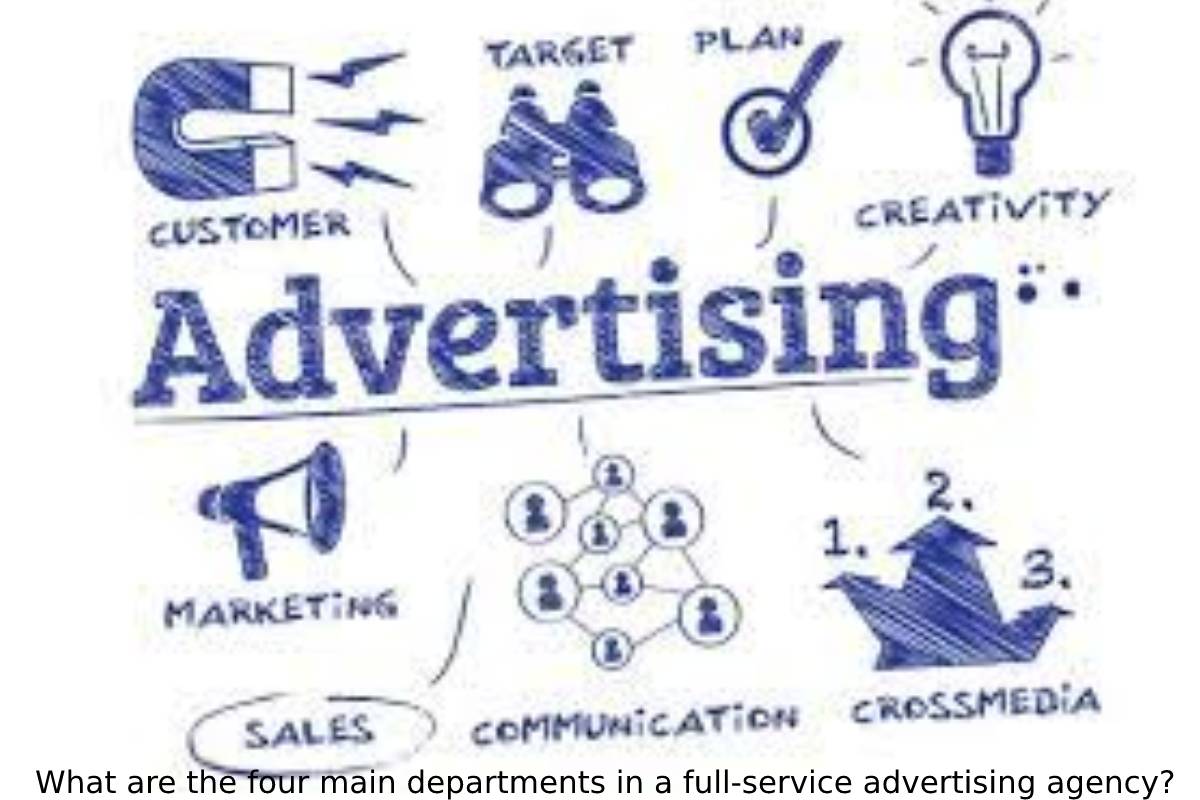
The four main departments in a full-service advertising agency are creative, account management, media planning, and research. These teams develop strategies and execute campaigns that meet the client’s objectives. Each department has its area of expertise, which contributes to the agency’s overall success.
These departments do not usually operate independently. A successful campaign requires communication between creative professionals, account managers, media planners, and researchers so that the campaign remains consistent with the client’s objectives and reaches the intended audience.
What does each department in a full-service advertising agency do?
Creative
The creative department is responsible for generating the ideas that will ultimately be used in an advertising campaign. It includes everything from developing the initial concept to writing copy and designing visuals. The team works closely with the account management department to ensure that the final product meets the client’s objectives.
Creative teams may develop advertisements for websites, search engines, social media platforms, print publications, television, radio, and other channels. Their role is to transform a marketing strategy into messaging and visual content that can capture attention and communicate the value of a product or service.
Account management
The account management department is responsible for maintaining relationships with clients and ensuring their needs are met. This team works closely with the creative department to develop strategies and execute campaigns that meet the client’s objectives. They also handle day-to-day communication with the client, which means they must manage expectations effectively.
Account managers often act as the connection between the client and the agency’s internal teams. They communicate project requirements, timelines, budgets, feedback, and campaign objectives to the appropriate departments.
Strong account management can make a significant difference because advertising campaigns can involve multiple people, platforms, and deadlines. Keeping everyone aligned helps reduce confusion and ensures that the final campaign reflects the client’s goals.
Media planning
The media planning department is responsible for planning and buying advertising space. This team works with the account management and creative departments to develop strategies to reach the target audience. They also negotiate with media outlets to get the best rates for their clients.
Media planning involves determining where advertisements should appear, when they should run, and which audiences should receive them. Depending on the campaign, this can include television, radio, newspapers, websites, search engines, social platforms, and other advertising channels.
A strong media plan helps an agency use a client’s advertising budget efficiently. The team can analyze audience information and campaign objectives before selecting the channels that are most appropriate.
Research
The research department is responsible for gathering data that you can use to inform strategic decisions. It includes everything from conducting surveys to studying consumer behavior. The team works closely with all other departments to ensure that the data is being used to benefit the client.
Research can help an agency understand customer preferences, competitors, market trends, audience demographics, and campaign performance. These insights can then influence creative decisions, media planning, and overall campaign strategy.
For example, if research shows that a particular audience responds better to a specific type of advertisement, the creative and media teams can use that information to improve future campaigns.
How do advertising agencies measure campaign performance?
Measuring campaign performance is an important part of modern advertising. Agencies need to understand whether their campaigns are generating the desired results and whether advertising budgets are being used effectively.
Performance can be measured through metrics such as impressions, clicks, conversions, engagement, leads, sales, and return on advertising spend. The specific metrics depend on the campaign’s goals and the channels being used.
Businesses can also use technology to monitor advertising results. For example, profit tracking software can provide clearer insights into ad performance and help businesses understand which campaigns are contributing to their financial objectives.
How does technology support full-service advertising agencies?
Technology has changed the way full-service advertising agencies plan, execute, and measure campaigns. Instead of relying only on traditional advertising channels, agencies can now use sophisticated digital platforms to reach highly specific audiences.
Automation can also help agencies manage repetitive marketing activities. For businesses operating online, developing a marketing automation strategy for ecommerce can help coordinate customer communications, promotions, and other marketing activities.
Automation does not eliminate the need for creative or strategic professionals. Instead, it can give agency teams more time to focus on planning, creative development, customer relationships, and campaign optimization.
What are the benefits of working with a full-service advertising agency?
Working with a full-service advertising agency has many advantages.
First, the client can be confident that professionals handle all aspects of their campaign. It includes everything from strategy development to media buying and production.
Second, the agency can provide a comprehensive range of services and skills that the client might not have in-house. It is especially advantageous for small enterprises or start-ups that lack the internal resources to launch a comprehensive advertising campaign.
Finally, working with a full-service advertising agency can save clients time and money. Instead of managing multiple vendors, the client can rely on the agency to coordinate all aspects of the campaign. It can free up the client’s time to focus on running their business.
Access to multiple marketing channels
Another advantage is that clients can potentially coordinate several marketing channels through one agency. For example, a company may combine digital advertising with direct communication methods such as telemarketing services.
Having multiple channels managed under a coordinated strategy can help businesses maintain consistent messaging and avoid creating disconnected campaigns.
Better campaign coordination
Full-service agencies can also coordinate the different stages of a campaign. The research department can provide insights, the creative team can develop messaging, the media team can select advertising channels, and account managers can keep the client informed.
This integrated approach can be particularly useful for businesses that do not have the internal staff or expertise to manage each part of an advertising campaign independently.
What are some of the disadvantages of working with a full-service advertising agency?
There are a few disadvantages to working with a full-service advertising agency.
First, the cost of working with an agency can be higher than working with individual vendors. It is because the agency will typically mark up the cost of their services as it is how they make a profit, and the mark-up is also due to their expertise in the field.
Second, the client may not have a personal relationship with the people working on their account. It can be disadvantageous if the client wants or needs to develop a close working relationship with their agency or how their products are being promoted.
Nonetheless, the benefits of working with a full-service advertising agency far outweigh the downsides, and many who work with professional advertisers have only seen their ROI grow over time due to the expertise and experience of outsourced advertising teams.
How can full-service agencies improve the customer experience?
Advertising is not only about reaching potential customers. Businesses also need to consider what happens after a customer interacts with an advertisement.
A coordinated customer experience can help businesses understand how prospects move from initial awareness to consideration, conversion, and continued engagement. Customer journey orchestration can help businesses coordinhttps://www.themarketinginfo.com/customer-journey-orchestration/ate interactions across different customer touchpoints.
This type of approach can be especially valuable when an advertising campaign reaches customers through several channels. Consistent messaging and timely communication can make the overall experience easier for customers to navigate.
How can agencies manage paid search campaigns?
Paid search is another area where specialized expertise can be valuable. Search advertising requires careful attention to keywords, ad copy, bidding, landing pages, targeting, and performance data.
Businesses that lack the necessary expertise may benefit from working with specialists. For example, a white-label Google Ads agency can provide additional support for managing Google Ads campaigns and improving their overall structure.
This type of specialized service can complement the broader capabilities of a full-service advertising agency, particularly when a campaign requires deeper expertise in a specific advertising platform.
Why is collaboration important within an advertising agency?
Creative and account management collaboration
Creative professionals need clear information about the client’s objectives, target audience, and brand identity. Account managers provide this information and communicate feedback between the client and creative team.
Media and research collaboration
Media planners need reliable audience and market information when deciding where advertising should appear. Research teams can provide valuable insights that help media planners make informed decisions.
Data and campaign optimization
After a campaign launches, research and performance data can help the agency identify what is working and what needs improvement. The agency can then adjust creative elements, targeting, messaging, or media placement.
This continuous process allows advertising campaigns to become more effective over time rather than remaining static after launch.
What should businesses consider before hiring an advertising agency?
Businesses should consider several factors before choosing a full-service advertising agency. These include the agency’s experience, range of services, communication process, pricing structure, previous campaign results, and understanding of the client’s industry.
It is also important to establish clear objectives before starting a campaign. A business should know whether it wants to increase brand awareness, generate leads, increase sales, launch a new product, or achieve another specific goal.
The agency and client should also agree on how success will be measured. Clear performance indicators can make it easier for both sides to evaluate the campaign and make decisions about future advertising activity.
Conclusion
When deciding whether to work with an international advertising agency, the client should consider their objectives and budget. An agency is a good option if the client is looking for a comprehensive campaign managed by professionals. However, if the client wants more control over the creative process or wants to save money, working with individual vendors may be a better choice.
A full-service advertising agency can provide access to multiple areas of expertise under one organization. From creative development and account management to media planning, research, advertising technology, and performance measurement, each department plays an important role in building effective campaigns.
For businesses that need coordinated marketing support, understanding how these departments work together can make it easier to determine whether a full-service agency is the right solution for their advertising objectives.