Last Updated: September 9, 2026
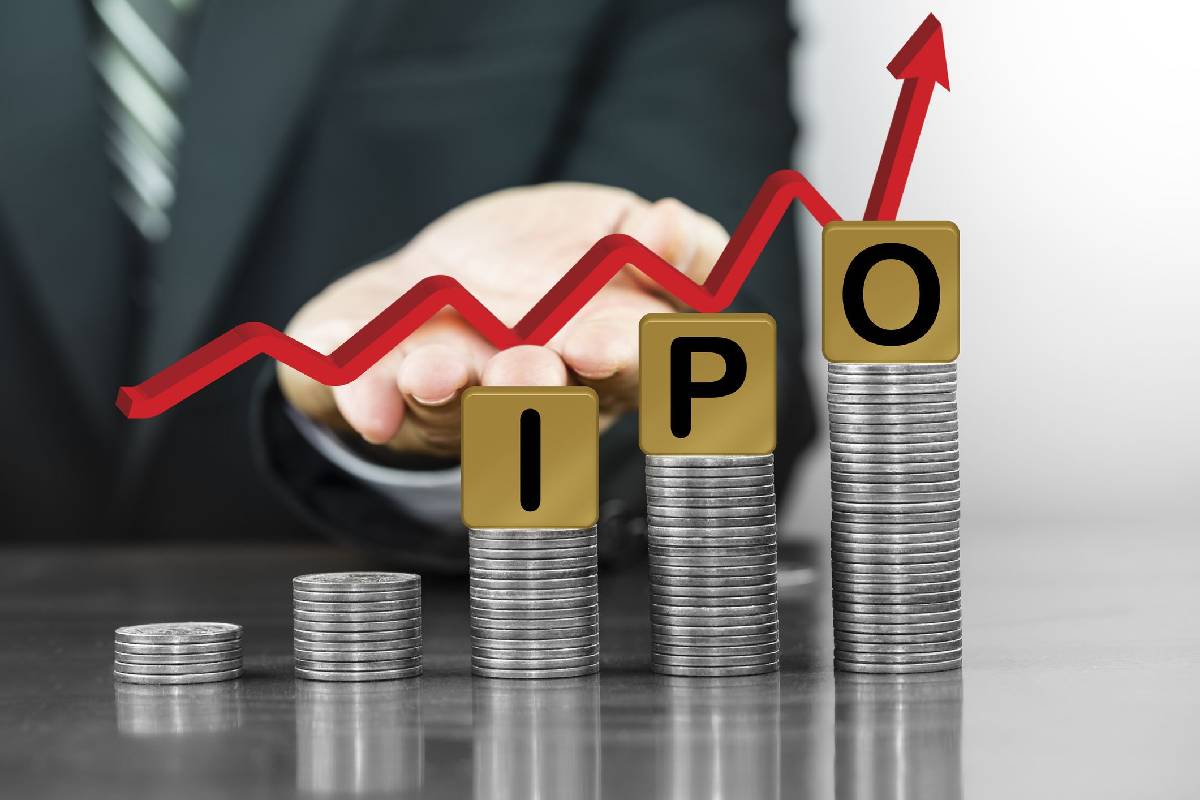
IPO stands for initial public offering. It refers to the first time a private company’s stock is being sold in the stock market to the public. The idea of IPO became popular in the 1990s when investors could buy stock from almost any company with a guarantee of getting hefty returns.
While some companies lived up to their promise of paying handsome returns to investors, others turned out to be a disappointment.
This article belongs to Investing
Table of Contents
What does it mean to participate in an IPO?
Participating in an IPO is still a popular investment opportunity despite the few companies that have disappointed investors. However, it is crucial to understand what you are getting into before buying stock from a private company that’s going public.
The process starts with an investor identifying a company that has decided to go public. This can be done by going through S-1 forms usually filled by the Securities and Exchange Commission (SEC).
In order to take part in an IPO, one has to register with a brokerage company. Whenever a company wants to go public, they usually notify brokerage companies who also inform investors. According to the experts at SoFi, “Investing in an Initial Public Offering (IPO) involves substantial risk, including the risk of loss.”
Investors should also remember that an IPO is not automatically a safer investment simply because a company is well known or receives significant public attention. A newly listed company may have limited trading history, changing market conditions, and uncertainty about how investors will value its shares after the listing. Taking time to understand the business, its financial position, competitors, and growth prospects can therefore help investors make more informed decisions.
For investors who are exploring opportunities across international markets, it can also be useful to understand how different stock exchanges and investment environments operate. Reviewing practical tips for investing in the Hong Kong stock markets can provide additional perspective when comparing investment opportunities in different markets.
So here are five tips for a risk-free IPO investment:
1. Do your homework
Buying stock from new or private companies is in itself a risk. This is because there is usually no adequate information about the future prospect of that particular company. As such, it is advisable to take your time before deciding to invest your money.
Carry out deep and objective research and avoid being swayed by the public. Indeed, companies usually try to disclose a lot of information about their business dealings. But the information may not be absolutely accurate or objective considering the fact that they are the ones who write that information.
A good research process can include examining the company’s revenue, debt, profitability, business model, management team, competitors, and future plans. Investors should also consider whether the company has a realistic path toward long-term growth rather than focusing only on the excitement surrounding the IPO.
Another factor investors may want to consider is whether the company follows responsible environmental, social, and governance practices. Understanding ESG investment trends in Southern Africa can provide additional insight into how ESG considerations are becoming part of investment research and decision-making.
It is also useful to compare information from several sources instead of relying entirely on promotional material from the company. Reading available financial documents and understanding the risks described in official filings can help investors develop a more balanced view before committing their money.
2. Choose a company with strong brokers
This is also an important factor to consider for those who choose to participate in an IPO. Investors should try and choose a company that has a strong and experienced underwriter. This doesn’t mean that other brokers don’t bring valuable companies. It’s just that quality and strong companies are often associated with good returns in terms of investment.
One advantage of boutique brokerage firms is that they have a controlled client base. This makes it easier for any investor to participate in pre-IPO investing with SoFi.
However, investors should not assume that the involvement of a strong broker guarantees a successful investment. Market performance can change quickly after a company becomes publicly traded. Investors should still evaluate the company’s fundamentals and their own financial objectives before purchasing shares.
3. Never forget to read the prospectus
While it is good not to put all your trust in the prospectus, you should not ignore it completely. It is advisable to peruse through it and find the details of the company. The prospectus usually puts bare the risks involved as well as the opportunities that investors will be exposed to after investing in the company. Investors can also review the SEC’s official guidance on investing in an IPO to understand important information about IPO prospectuses, risks, offering terms, and other factors to consider before investing.
The prospectus can provide important information about the company’s business activities, financial performance, risks, management, use of proceeds, and the terms of the offering. Investors should take time to understand this information rather than making a decision based only on the expected listing price.
It is also important to pay attention to factors that could affect the value of the investment after the IPO. These may include competition, regulatory changes, dependence on a small number of customers, high operating costs, or plans that require substantial future funding.
4. Exercise caution
As mentioned earlier, every investment opportunity comes with a share of its own risks. Although sometimes it is difficult to avoid risks, it is wise to take calculated ones.
One practical way to exercise caution is to avoid investing money that may be needed for immediate expenses. Investors can also consider how an IPO fits within their broader portfolio instead of allowing one newly listed company to represent a large portion of their investments.
Diversification does not remove investment risk, but spreading investments across different companies, sectors, and asset types may help reduce the impact of poor performance from one particular investment. Investors should also consider their investment timeframe and personal tolerance for losses before participating in an IPO.
For investors who are also considering digital assets, it is especially important to recognize that different investment markets carry different levels and types of risk. Beginners can review the rules for starting as a cryptocurrency investor to understand some of the basic considerations involved when approaching another highly volatile investment category.
5. Try waiting for the lock-up period to end
A lock-up period is a legally binding agreement between the company insiders and underwriters. The contract denies investors the right to sell shares for a certain period of time.
In general, IPOs are a great investment option. However, it is important to consider several factors when buying stocks from any company.
After an IPO, investors should continue monitoring the company’s performance rather than assuming that the initial offering price represents its long-term value. Quarterly financial results, changes in management, industry conditions, and overall market sentiment can all influence how the stock performs over time.
Patience can be particularly important because newly listed stocks may experience significant price movements shortly after entering the market. A strong initial performance does not necessarily guarantee continued growth, while an early decline does not automatically mean that a company has no long-term potential. Investors should continue reviewing the underlying business and make decisions based on their investment goals and risk tolerance.
Ultimately, the goal of researching an IPO is not to eliminate every possible risk. Instead, investors should gather reliable information, understand the potential downside, avoid emotional decisions, and determine whether the opportunity fits their overall investment strategy.