Last Updated: August 30, 2026
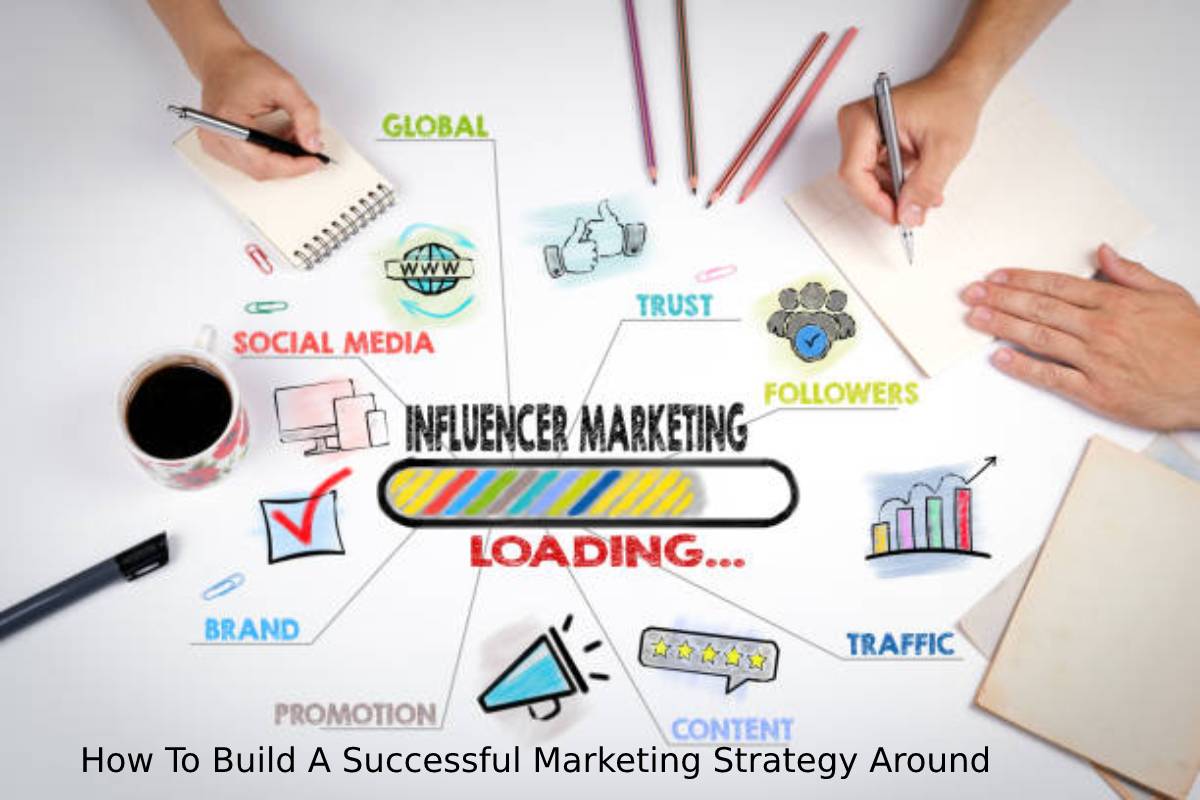
Deciding to make a name for social media is a lot more work than you would imagine. There is extensive planning, scheduling, and strategizing going on behind most of the things you see on an influencer’s feed, and any brand trying to build their marketing strategy around them needs to be just as smart about it, if not more.
The first thing you need to do is define what “success” means for your marketing campaign. Does it mean more followers, more people knowing about your brand, improving or changing your brand image, or increasing the total number of sales? The ultimate goal of your marketing campaign will be the deciding factor in what will work and what won’t and will shape your campaign as a whole.
But no matter what your goals are, there are some things that don’t change much in every influencer marketing campaign. Let’s keep reading to find out what these things are.
This article is a part of Marketing Strategy
Table of Contents
How to Build a Successful Influencer Campaign
Before working with influencers, brands should understand their wider digital marketing goals. A clear strategy can make it easier to choose the right platforms, creators, and content for each campaign. It is also helpful to understand current digital marketing trends so your influencer campaigns remain relevant to your target audience.
Focus on UGC
If you have a lot of followers on your social media already, you have the leverage to have influencers and people on social media come to you instead of you having to go to them for partnership deals. How? Simply start posting User Generated Content (or UGC) on your own social media accounts. Brands like Sol de Janeiro (@soldejaneiro) and Fashion Nova (@fashionnova) have successfully pulled off this kind of marketing, and you can do it too.

The downside of this campaign idea is that while it will improve your brand image, it also means that you’ll have to do a lot of hard work on your own social media accounts instead of depending on the hype created by the influencers you partner with to rake in more followers.
This means doing all the good stuff like using hashtags in your posts (hint; check out Facetune’s list of 150 Instagram photography hashtags for some ideas), posting regularly, planning your news feed, and engaging your followers.
For brands that want to strengthen their social media presence, an effective Instagram marketing strategy can also support influencer campaigns and help maintain consistent engagement with followers.
Make a Budget
If you want to hire influencers to create some hype for your content, there are multiple ways to go about it. The first thing, though, is to decide how much money you want to spend. A lot of brands do collaborations with influencers where they hire them to create content for their pages, others send influencers promotional packages and gifts in hopes that the influencer will review them on their page, and many others choose to sponsor a particular influencer to have their product placed in the influencer’s content.

Some even give the influencers a chance to earn money through the sales they bring to your brand by giving the influencer a small code to use. By using that code, buyers usually get a small discount and influencers get a cut of the sales.
Most good influencers however, are going to be very picky about the brands they sponsor, mainly because they don’t want to betray the trust they’ve built with their followers. Those followers listen to the influencer (which is their whole leverage in these situations) because of the honest advice and insight about things they get from the influencers. This whole system would stop working if people didn’t trust influencers anymore.
As expected, each of these approaches takes a different amount of money and different kinds of planning, which is where deciding a set budget comes out.
Brands can also use technology to improve how they manage campaigns, track data, and build trust with audiences. For example, blockchain technology in digital marketing can provide new opportunities for transparency and data management.
Be Picky
Influencers want to be careful about the brands they represent, but you need to be careful about the influencers you ask to represent you as well. The last thing you want is for your brand to be spotted sponsoring an influencer with questionable views or problematic and hateful content.
This is why thorough research needs to be conducted before you decide to partner with a certain influencer, and why you need to go beyond just how well the influencer’s engagement and their conversion numbers are.
Choosing the right influencer is only one part of creating a strong online presence. Brands should also consider how they can simplify their overall marketing activities and use the right resources. With a focused approach, digital marketing doesn’t have to be hard.
Agencies can also use external providers to expand the services they offer to clients. This can be particularly useful when managing different types of campaigns through the digital marketing white-label market.
The same principles of audience targeting and online visibility apply across many industries. Professional services such as law firms are also adapting their strategies to connect with potential clients through digital marketing for law firms.