Last Updated: September 9, 2026
In today’s highly competitive business landscape, small businesses often face the dual challenge of managing their financial health while harnessing growth opportunities simultaneously. Fortunately, modern technology provides the means to accomplish both with tools like QuickBooks. With intuitive interfaces, reliable support, and efficient design, QuickBooks can transform the accounting experience for small businesses.
This article is belongs to Business Growth
Table of Contents
Using QuickBooks for efficient business accounting
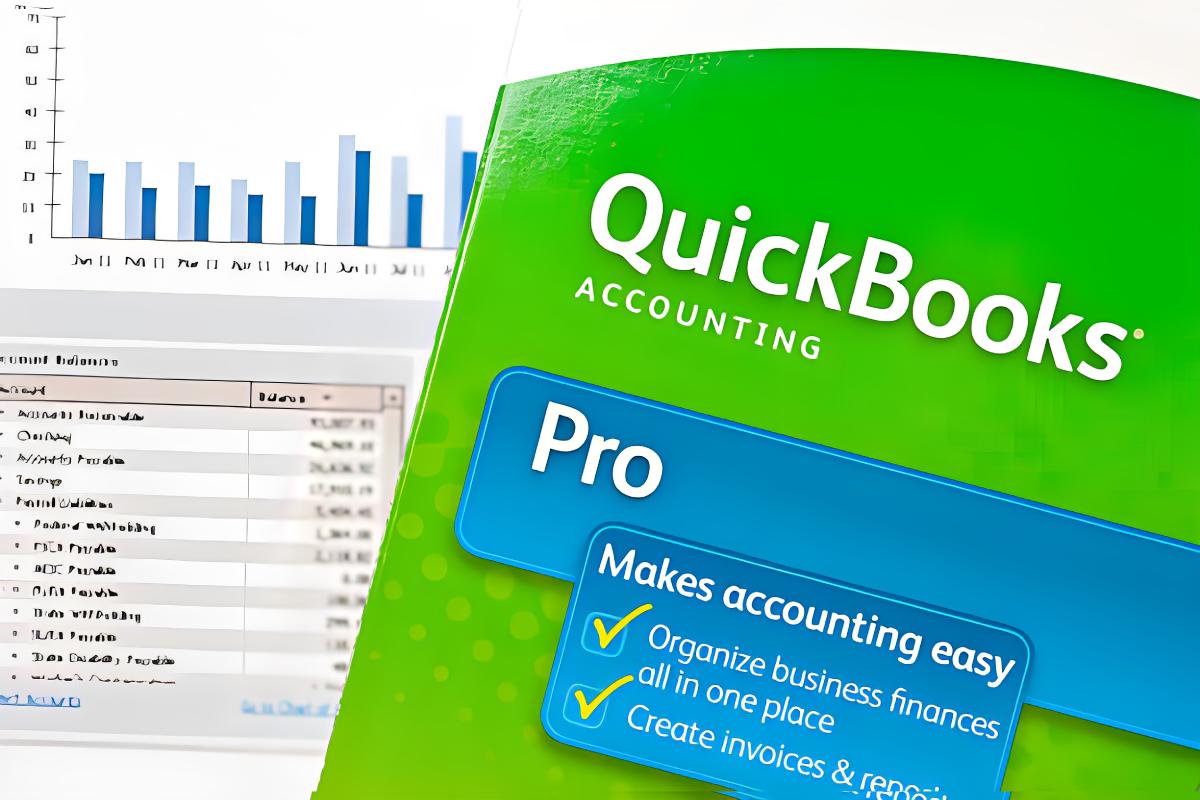
QuickBooks is a multifunctional software package designed to handle all the accounting requirements of an organization. By streamlining accounting activities, QuickBooks allows small business owners more time and resources to focus on other aspects of their business operations.
Efficient accounting also gives business owners a clearer understanding of where their company stands financially. Accurate records can help identify unnecessary expenses, monitor cash flow, evaluate business performance, and make better decisions about future investments. When financial information is organized and readily available, owners can spend less time dealing with administrative tasks and more time concentrating on customers, employees, and business development.
This becomes particularly important when a company is preparing for expansion. Growth can bring higher operating costs, additional employees, new equipment requirements, and increased financial responsibilities. Having an organized accounting system makes it easier to monitor these changes and determine whether the business has the resources needed to support them. Businesses can also connect their financial planning with a broader strategic planning approach to achieve business growth, ensuring that accounting decisions support their long-term objectives rather than addressing only immediate needs.
Making the most of your QuickBooks setup
Implementing QuickBooks for your business is the first step, but the real benefit comes when you leverage the software to its fullest potential. Here are a few recommendations:
- Familiarize with QuickBooks’ features: Take time to learn about QuickBooks services and how each feature can support your business needs.
- Standardize your accounting procedures: Standardization not only prevents errors from creeping in but also helps future scaling efforts.
- Keep your software updated: Regular updates ensure your software runs at optimal performance and is outfitted with the latest security countermeasures.
Small businesses can also improve efficiency by establishing clear financial routines. For example, setting specific times for reviewing transactions, checking invoices, monitoring expenses, and updating financial records can prevent accounting work from becoming overwhelming. A consistent process also makes it easier to identify unusual transactions or cash-flow problems before they become significant issues.
Financial organization should be considered part of the wider business growth process. As companies become more established, owners may need to improve their approach to budgeting, customer acquisition, staffing, and operational management. Combining reliable accounting practices with practical techniques to accelerate business growth can help businesses build a stronger foundation while pursuing new opportunities.
Aligning Financial Efficiency With Business Growth
Efficient financial management is only one part of building a successful small business. As companies look for new customers, expand their services, or enter new markets, their financial and marketing decisions need to work together. A growth-oriented marketing strategy can help businesses focus their marketing resources on sustainable growth while keeping expenses and expected returns under control. By combining organized accounting practices with a clear marketing direction, small businesses can make better decisions about where to invest their time, money, and resources.
Solving Common QuickBooks Issues
Operating any advanced software can often bring with it certain challenges, and QuickBooks is no exception. Identifying common hiccups and understanding how to navigate through them is a proactive way to prevent disruptions to your essential business processes, saving your business considerable time and effort down the line. Here are several common issues you may encounter and effective solutions for each:
- Reconciling of accounts: It is good practice to frequently reconcile your QuickBooks accounts with your bank and other financial accounts. Regular synchronization ensures the accuracy of your financial data and helps you stay on top of your finances. Without consistent reconciling, discrepancies might pile up, leading to confusion and potential financial missteps down the line.
- Dealing with Error Codes: QuickBooks software has a comprehensive list of Error Codes that it generates when encountering certain problems. These codes come with troubleshooting guides readily available online, which are essential resources to quickly rectify issues. Understanding what these codes signify and how to address them effectively expedites the troubleshooting process and can prevent minor issues from escalating into bigger, more costly problems.
- Network issues: For an optimal user experience and to maintain data integrity, a consistent and reliable internet connection is fundamental when using QuickBooks. Frequent lag or disconnection can lead to syncing issues and may even result in data loss in severe cases. Therefore, investing in a reliable network infrastructure can not only enhance your QuickBooks experience but safeguard your business data at the same time.
Another useful practice is to maintain a backup routine for important financial information. Even when accounting software is operating correctly, businesses should take reasonable precautions to protect important records from accidental deletion, technical problems, or other disruptions. Regularly reviewing user permissions can also help ensure that employees have access only to the information and functions necessary for their responsibilities.
Business owners should also remember that financial efficiency extends beyond accounting software. Employee benefits, payroll responsibilities, and retirement planning can influence a company’s overall financial position. For small businesses with employees, understanding how state-mandated retirement plans impact small businesses can help owners anticipate additional responsibilities and incorporate them into their financial planning.
Enhancing QuickBooks with Online Accounting Services
Aside from using QuickBooks to better manage your accounting, you can supplement it with online accounting services. By doing so, you gain access to a team of remote professionals skilled in managing various accounting functions. This hybrid approach combines the convenience and flexibility of software with the expertise and strategic insights of professional accountants.
Online accounting support can be especially valuable when business owners do not have enough time or expertise to manage every financial responsibility themselves. Rather than spending hours reviewing transactions or preparing routine reports, owners can focus on business operations while experienced professionals assist with accounting-related tasks.
The combination of accounting software and professional support can also improve consistency. A dedicated accounting professional can help identify discrepancies, organize financial information, and provide guidance when business circumstances become more complicated. This can be useful during periods of rapid growth, when financial activity increases and existing processes may no longer be sufficient.
Cost Savings
Hiring full-time accountants can be a significant expense for small businesses. However, opting to use online accounting services allows you to only pay for the time and expertise you need.
For a growing company, controlling overhead costs is particularly important. Outsourcing selected accounting responsibilities can provide access to professional expertise without necessarily creating the costs associated with adding another full-time employee. Businesses can then allocate available resources toward areas such as marketing, product development, customer service, or technology.
Access to Experts
With online accounting services, you can access a wide range of skills and expertise without the need to hire full-time staff.
Professional support can also help business owners understand financial information and use it when making operational decisions. Instead of looking at accounting as a routine administrative requirement, businesses can use accurate financial data to identify trends, evaluate performance, and determine where improvements may be necessary.
Data Security
These services typically employ robust security measures, ensuring your sensitive financial data is protected.
Businesses should still establish internal security practices, including strong passwords, controlled account access, regular software updates, and appropriate employee permissions. Combining these practices with reliable accounting support can reduce unnecessary risks and create a more dependable financial management process.
Conclusion
Maximizing efficiency with QuickBooks and supplementing it with online accounting services can provide a significant competitive advantage for small businesses. This hybrid strategy allows businesses to leverage the best of both worlds, harnessing the power and flexibility of modern accounting software, while still retaining the strategic insights and expertise of accounting professionals. Through proactive use and strategic integration, online accounting services can be key drivers in optimizing efficiency in the small business space.
As a business grows, efficient financial management becomes increasingly important. Regularly reviewing accounting processes, planning for future expenses, protecting financial information, and using professional support when necessary can help businesses remain financially organized. When these practices are combined with a clear growth strategy, small businesses can make more informed decisions and build systems capable of supporting sustainable expansion.